Kitec Out · Las Vegas Valley
Kitec Evaluation: Is That Flag Actually Urgent?
We confirm it is actually Kitec, read the fittings, and tell you straight whether that inspection flag is urgent or can wait.
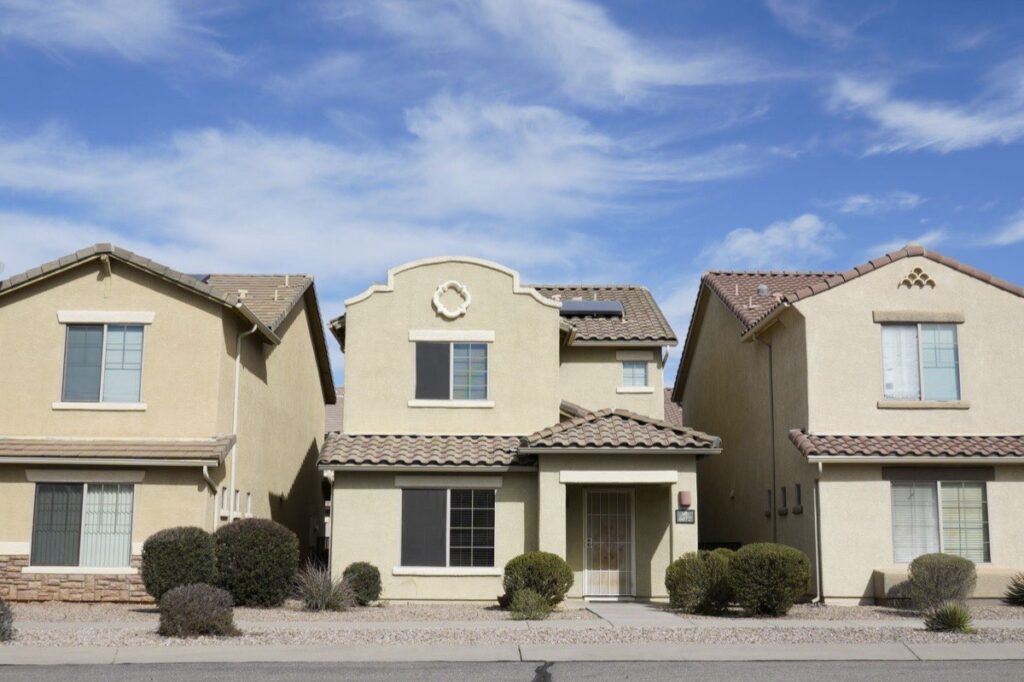
We confirm it is actually Kitec, read the fittings, and tell you straight whether that inspection flag is urgent or can wait.
Inspectors mis-flag it. We verify the pipe and fittings before a word about repiping.
We read the fittings and your situation, then tell you straight. Sometimes the answer is wait.
Two real numbers on your home, quoted straight - not a single take-it-or-leave-it figure.
You are holding an inspection report. Somewhere in it, a line reads “Kitec plumbing present.” Maybe it is highlighted. Maybe the inspector wrote “recommend evaluation by a licensed plumber.” Now you are on your phone at 9pm trying to figure out whether you just inherited a five-figure problem.
Here is the honest answer: sometimes yes, sometimes not yet. That is the whole point of an evaluation. We tell you which one you are looking at before anyone quotes you anything.
Inspectors do not test Kitec. They identify it. They see orange and blue flexible pipe with brass fittings, usually at the water heater and under sinks, and they write the name down because they are trained to flag it. The report is a spotting call, not a diagnosis.
That matters. A flag tells you the pipe is present. It does not tell you the condition of the fittings, which is the part that fails.
Not everything orange-and-blue is Kitec. Several PEX brands used similar color coding. We look for the printed markings on the pipe itself, the fitting style, and the brass grade. If it is Kitec, the pipe is stamped. We confirm it before we say a word about repiping.
If it turns out to be standard PEX with plastic fittings, you are done. No dezincification risk, no repipe conversation. We have told homeowners exactly that and walked out. A referee calls it both ways.
Kitec fails at the brass fittings, not the pipe. Zinc leaches out of the brass over time and leaves behind a brittle, porous copper skeleton. The fitting looks fine from the outside right up until it cracks. Las Vegas hard water and heat push it faster than almost anywhere in the country. We explain the chemistry in plain terms in our guide to how dezincification destroys Kitec fittings.
The reason this scares people is the failure mode. It is usually inside a wall, with no warning, while you are at work or asleep.
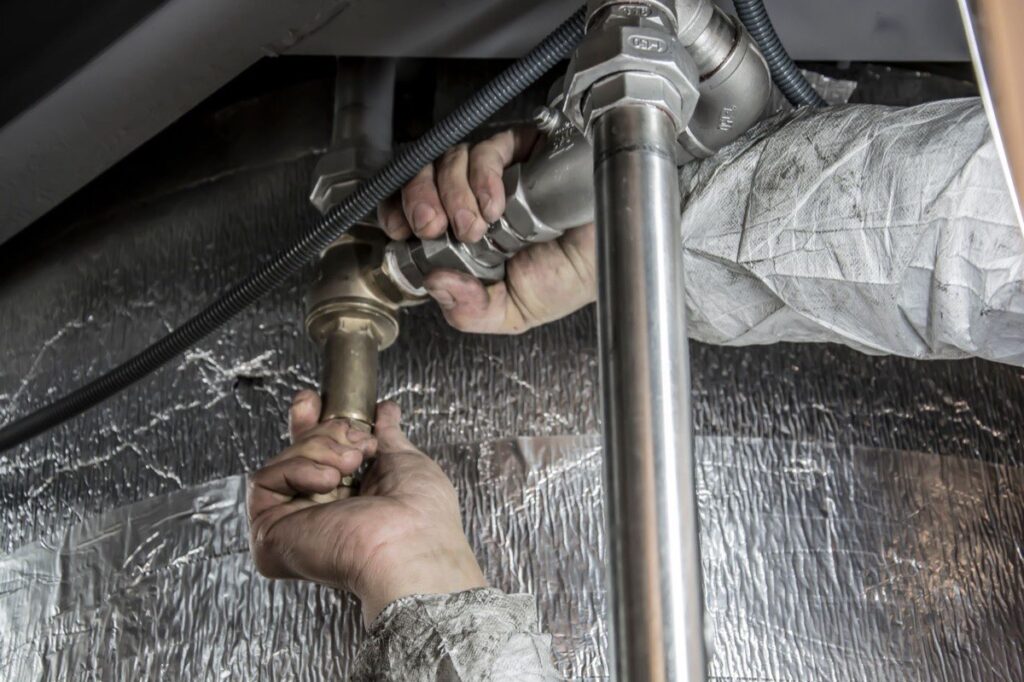
When we can access a fitting, we pull one and look. Sound brass is yellow and solid. Dezincified brass is dull, reddish, and crumbles or flakes. That single pull tells us more than any report can. A house full of visibly degraded fittings is a different urgency than a house where the accessible brass still looks sound.
This is the number you came for.
We put that call in writing so you are not guessing. If you want to think through the timing itself, we lay out the tradeoffs in repipe now or wait.
A 2003 Summerlin two-story, original Kitec throughout, flagged on a buyer’s inspection. No leaks, no stains, the sellers had no idea. We pulled one fitting at the water heater and the brass crumbled between two fingers. Textbook dezincification. That flag was urgent, and the camera on the report had no way to show it. We repiped in copper and the deal closed.
An evaluation is not a sales appointment. We confirm the material, read the fittings, give you an urgent-or-wait verdict in writing, and if a repipe is warranted we quote copper or PEX-A straight, no pressure. If it can wait, we say so and you keep your money.
The class-action settlement that once paid for these repairs closed years ago. Owners now pay out of pocket, which is exactly why a clear-eyed evaluation matters more than a scare pitch. Kitec Out is a licensed and insured Nevada plumbing operation. We confirm it is Kitec first, then quote straight.
Send us your inspection report and we will tell you if that Kitec flag is urgent. Get your evaluation.
Upload the report or a photo of the fittings. We confirm it is Kitec, tell you if that flag is urgent - and quote copper or PEX-A straight.